The sports industry has evolved into a powerhouse global asset class. While 2025 was a year of recovery, 2026 is defined by institutionalization and national strategy. From Riyadh to London and Mumbai, investors are no longer just buying “teams”—they are investing in the infrastructure of global attention.
1. The Middle East: From Hosting to Global Ownership
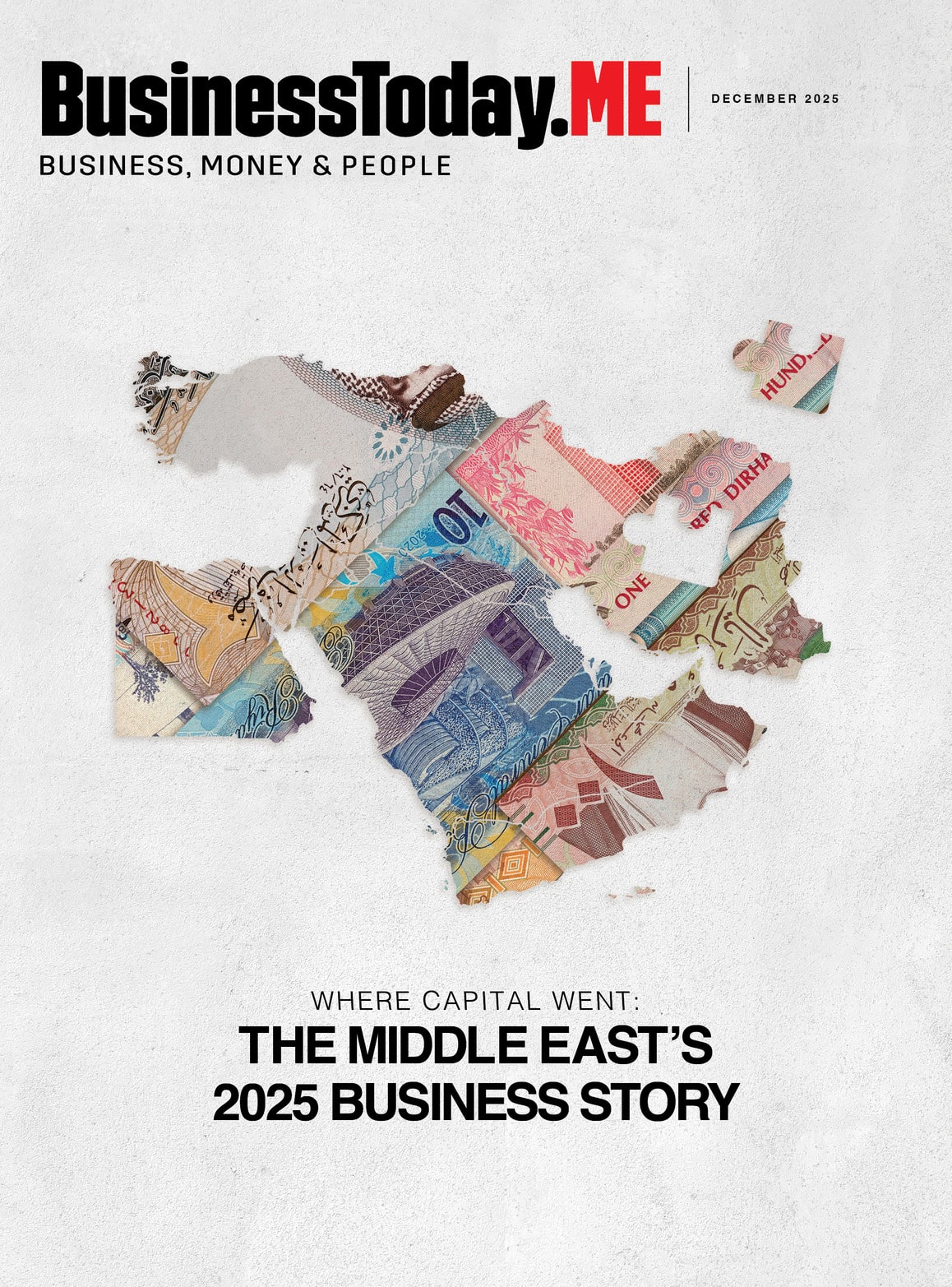
The Middle East has become the “center of gravity” for sports investment. In 2026, the region’s sports market is projected to grow by 8.7%, significantly outpacing the global average.

- Saudi Vision 2030: Following the inaugural Sports Investment Forum (SIF), Saudi Arabia has signed over 60 major investment deals. The focus is now on the “Giga-projects” (like NEOM and Qiddiya) that integrate sports cities with luxury tourism.
- The “Multi-Sport” Hub: Beyond football, the UAE and Qatar are diversifying into Formula 1, ATP tennis, and professional golf, positioning the Gulf as a year-round “sports tourism” sanctuary worth over $650 billion.
2. European Football: The Rise of Private Capital & Multi-Club Models
European sports are undergoing a fundamental “re-rating.” Private equity firms are no longer silent partners; they are active operators building massive networks.
- The Institutional Powerhouse: Firms like CVC Capital Partners have consolidated their sports holdings into the Global Sport Group, valued at over $13.6 billion. This group manages everything from La Liga rights to international rugby.
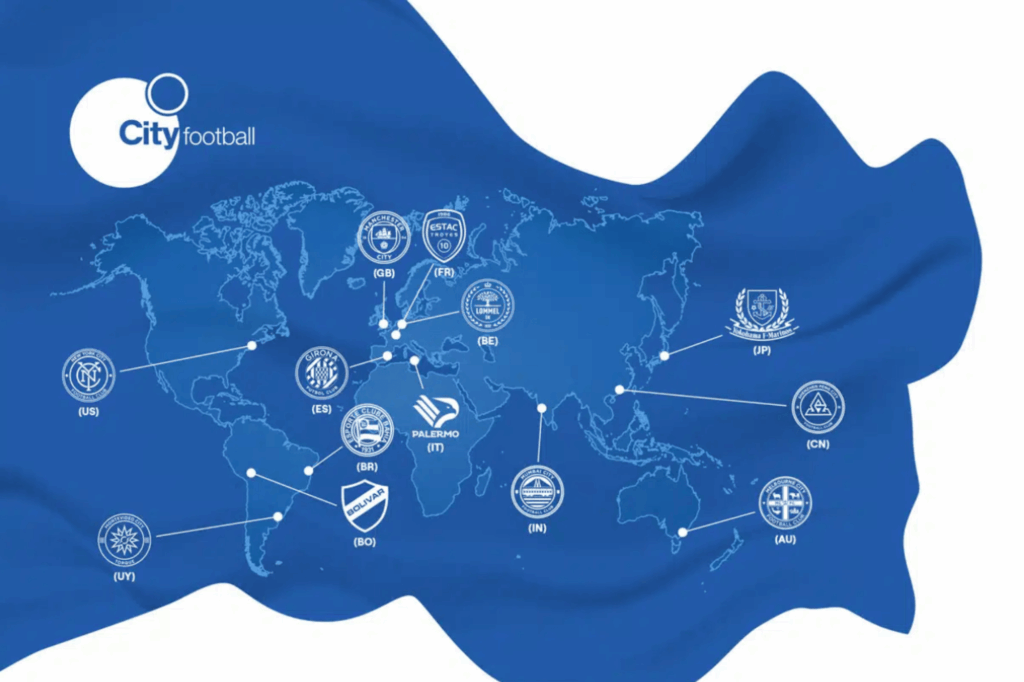
- Multi-Club Ownership (MCO): Groups like the City Football Group and RedBird Capital are leading the trend of “synergistic ownership.” By owning clubs across different tiers (e.g., Manchester City, Girona, and Melbourne City), they create a global pipeline for talent development and data monetization that single-club models cannot match.
3. India and Asia: The Digital & Participatory Boom
Asia, specifically India, is the fastest-growing sports market in 2026. India’s sports sector is sprinting toward a $130 billion valuation by 2030, growing at twice the global rate.
- The Cricket-Tech Convergence: With 655 million fans, Indian sports investment is heavily focused on digital engagement. Over 90% of fans now engage with sports primarily through digital channels, driving a surge in venture capital for AI-driven fan platforms and fantasy sports.
- Emerging Sports: Padel, pickleball, and esports are being professionalized across the continent. These “participatory” sports are attracting investment because they blend real-estate stability with high-frequency consumer use.
4. AI-Powered Infrastructure: The “Invisible” Asset
In 2026, the most valuable sports assets are often invisible. The global sports technology market is projected to reach $40.2 billion.
- Smart Venues: Investment is pouring into smart stadiums (41% of the tech market share). These venues use AI to manage everything from crowd security to “frictionless” biometric concessions.
- Performance Intelligence: Integrated platforms that combine biomechanics and real-time health data (such as Catapult) are now considered “essential infrastructure” for teams in the Premier League, IPL, and beyond.

5. Mega-Events as Economic Catalysts (The 2026 World Cup)
The 2026 FIFA World Cup in North America is acting as a massive vacuum for capital, with an estimated $40.9 billion boost to regional GDP.
- Infrastructure Plays: Investment is pouring into stadium upgrades, 5G connectivity for “smart venues,” and logistics companies like Global Critical Logistics (recently acquired in a $1 billion+ deal).
The “DTC” Shift: Major events are accelerating the move toward Direct-to-Consumer (DTC) streaming, as leagues look to bypass traditional broadcasters to own their fan data directly.