Abu Dhabi’s food and beverage sector is experiencing unprecedented growth, with new business registrations surging by over 42% in H1 of 2025

The food and beverage (F&B) sector in Abu Dhabi has recorded remarkable growth in 2025, with active memberships reaching 24,594 by the end of September, according to the Abu Dhabi Chamber of Commerce and Industry (ADCCI). The surge reflects growing investor confidence, a vibrant business environment, and the Emirate’s ascent as a regional hub for food innovation and supply chain resilience.
New memberships in the sector rose by an impressive 42.2% in the first half of 2025 compared to the same period in 2024, with over 570 new companies joining the Chamber within six months. The F&B sector continues to attract small and medium-sized enterprises (SMEs) and start-ups, which now constitute 98% of companies operating in the space, an indicator of the sector’s openness to innovation and entrepreneurial growth.
Showcasing Strength at Global Food Week
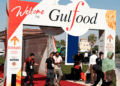
The announcement comes as the ADCCI participates in the Abu Dhabi International Food Exhibition 2025, held from 21 to 23 October at Abu Dhabi National Exhibition Centre (ADNEC) during Global Food Week. Through its involvement, the Chamber seeks to highlight the pivotal role of the private sector in strengthening food security and ensuring supply chain resilience.
“The food and beverage sector is a core pillar of the national economy,” said Shamis Ali Al Dhaheri, Second Vice-Chairman and Managing Director of the Abu Dhabi Chamber. “It plays a direct role in achieving food security and supporting economic diversification. ADCCI remains committed to empowering national companies by nurturing an innovation-friendly ecosystem for SMEs and investors.”
Al Dhaheri added that ADCCI’s participation in the exhibition reinforces its drive to foster regional and global partnerships, particularly in agritech, local production, and sustainable supply solutions.
Sustained Growth and Economic Impact
The Chamber’s data shows a compound annual growth rate (CAGR) of 23.8% in the sector from 2019 to 2024. This consistent expansion underscores the F&B sector’s growing contribution to Abu Dhabi’s GDP and broader diversification strategy.
Commercial activity dominates the sector, accounting for 94% of registered businesses. Within this, key categories include groceries (8%), fresh produce (8%), and confectionery (7%). Other niche sectors—such as fish, chocolate, dietary supplements, and canned goods—represent between 3% and 4% each, highlighting the sector’s diversity and depth.
Abu Dhabi’s evolving culinary scene is evident in the accommodation and food services segment. Cafés and cafeterias lead the way, comprising 23% of activities, followed by restaurants (18%), hot and cold beverage outlets (16%), and dessert and bakery shops (14%). This reflects a rapidly diversifying consumer market and increasing demand for creative, high-quality dining experiences.
Meanwhile, the manufacturing side of the sector is also thriving. Baked goods and bread products top the list at 31%, followed by automated bakeries (14%). Other major contributors include dairy products, ghee, and bottled water, each accounting for around 13–14% of manufacturing activity—signalling a shift towards sustainable, locally produced food options.
The report also highlights Al Ain’s prominent role as a key agricultural hub within the Emirate, supported by its rich farming heritage and strategic location in the national food supply chain.
A Model for Sustainable Economic Development
ADCCI affirmed that the rise in F&B sector memberships reflects not only confidence in Abu Dhabi’s economy but also the success of strategic efforts to build a resilient, innovative, and sustainable food ecosystem.
Abu Dhabi’s food and beverage sector now stands as a regional model for sustainable development, balancing strong national enterprise leadership with increasing global investor interest. As the sector continues to expand, it strengthens the UAE’s position as a frontrunner in food security, economic diversification, and agricultural innovation.