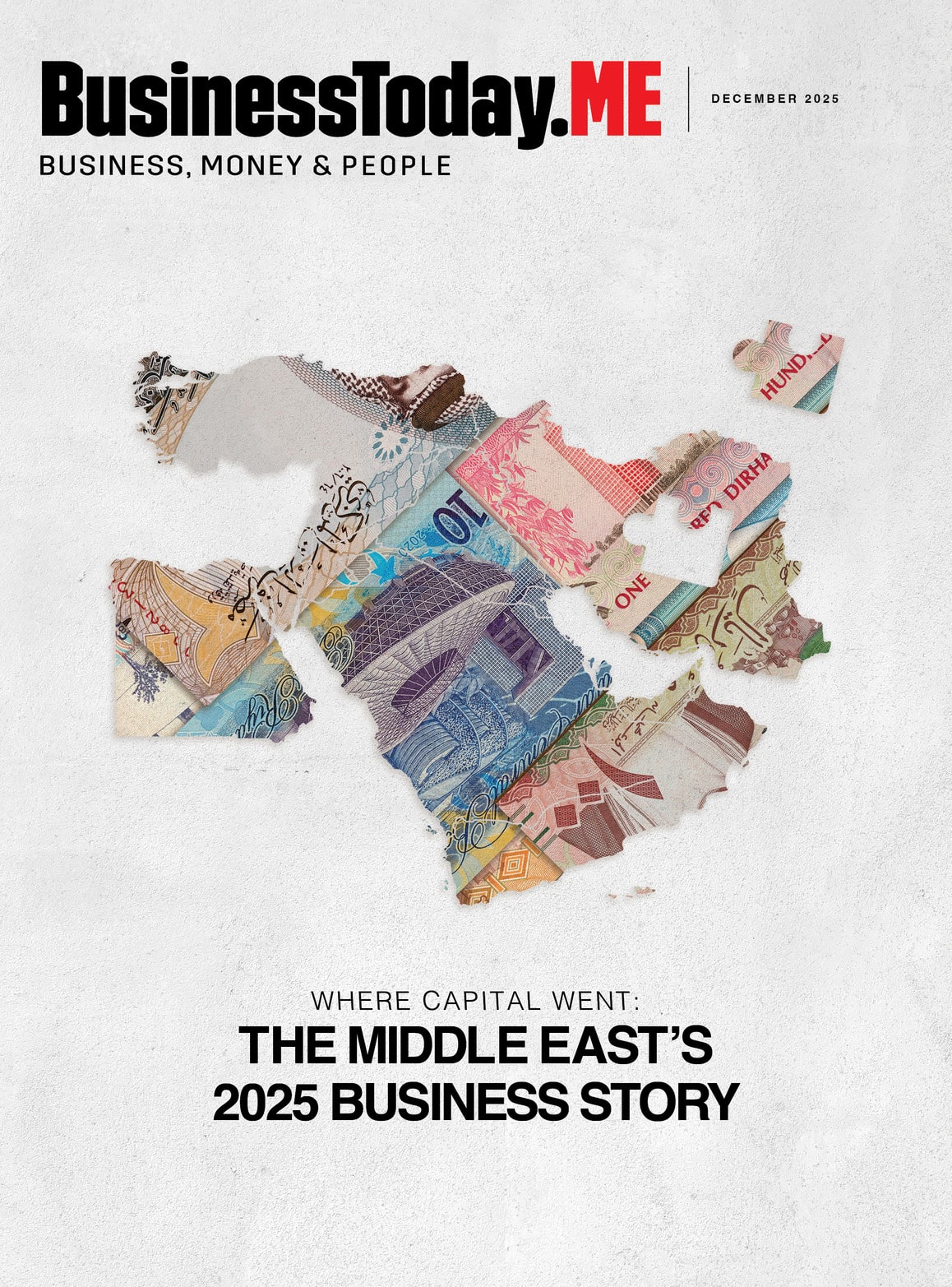
The year 2026 is poised to be a pivotal period for Gulf oil-producing nations. As global energy markets undergo significant transformations, countries like Saudi Arabia, the UAE, Kuwait, and Qatar are recalibrating their strategies to maintain economic stability and drive diversification. With an anticipated global oil surplus and evolving demand dynamics, understanding the 2026 outlook is crucial for businesses, investors, and residents in the region.
The Oil Price Reality: A “Supply Glut” Looms for 2026
Recent economic reports indicate a challenging environment for crude oil prices. Experts predict a substantial global oil surplus in 2026, driven by several factors:
- Increased Production from Non-OPEC+: Countries like the United States, Brazil, and Guyana are significantly boosting their output, adding considerable volume to the global supply.
- Plateauing Demand Growth: While emerging markets continue to drive some demand, the overall growth rate is slowing, particularly with the expanding adoption of electric vehicles and efficiency gains in major economies.
- Brent Crude Forecasts: Analysts project that Brent crude prices will average around $60 per barrel in 2026, a notable decrease from 2025 estimates. This shift below the previous “comfort zone” necessitates adaptive fiscal planning for Gulf nations.
The “Peace Dividend”: Ukraine Negotiations and Market Sentiment
A critical factor entering the 2026 equation is the potential resolution of the conflict in Eastern Europe. According to recent reports from Gulf Today, oil prices have already begun to feel the weight of diplomatic shifts.
- Zelensky-Trump Talks: Discussions regarding a 20-point peace framework between Ukrainian President Volodymyr Zelensky and US President-elect Donald Trump have sparked hopes for a ceasefire before the new year.
- Impact on Supply: Investors are wary that a successful peace deal could eventually lead to the removal of international sanctions on Russia’s oil sector. This would potentially reintegrate massive volumes of Russian crude into the global market, further exacerbating the “supply glut” narrative.
- Geopolitical Premium: While conflict usually drives prices up, the prospect of peace is currently acting as a “bearish” signal, stripping away the geopolitical risk premium that supported prices throughout 2024 and 2025.
OPEC+’s Strategic Shift: From Price Support to Market Share
For decades, OPEC+ has played a critical role in stabilizing oil markets. However, 2026 marks a significant strategic pivot:
- Protecting Market Share: Faced with lower prices, key Gulf oil producers are shifting focus from solely propping up prices to aggressively protecting their market share. This means a gradual increase in oil production is expected from countries like Saudi Arabia and the UAE.
- Balancing Act: This strategy aims to compensate for lower per-barrel prices with higher export volumes, ensuring consistent overall revenue to fund ambitious national development agendas.
Economic Resilience: The Power of Diversification in the GCC
Despite the projected oil price headwinds, the Gulf Cooperation Council (GCC) economies are expected to demonstrate remarkable resilience in 2026.
- Strong GDP Growth: The GCC is forecast to remain one of the fastest-growing regions globally, with real GDP growth anticipated to be around 4.4%–4.5%. This growth is increasingly fueled by robust non-oil sectors.
- Non-Oil Sector Dominance: Diversification efforts are paying off, with non-oil activities now contributing over 73% to the total GCC GDP. This indicates a successful decoupling of economic performance from sole reliance on hydrocarbon revenues.
- The “AI State”: 2026 is poised to be a landmark year for technological advancement. Massive investments in Artificial Intelligence (AI) infrastructure, including data centers and sovereign AI clouds in the UAE and Saudi Arabia, are expected to deliver tangible productivity gains across various sectors, from logistics to finance. This strategic pivot towards a knowledge-based economy is crucial for long-term sustainability.
Fiscal Implications for Gulf Producers in 2026
Lower oil prices will inevitably impact national budgets, though the extent varies by country:
- Saudi Arabia: With a fiscal break-even price estimated to be above $75 per barrel, Saudi Arabia is likely to face a widening budget deficit in 2026. This reflects continued high spending on transformative projects under Vision 2030, which are deemed essential for long-term economic restructuring.
- UAE & Qatar: Thanks to highly diversified revenue streams, significant foreign investments, and robust natural gas exports (especially Qatar’s North Field expansion), both the UAE and Qatar are expected to maintain healthy budget surpluses despite oil price fluctuations.
- Kuwait: Forecasts suggest Kuwait might face a moderate budget deficit, requiring careful fiscal management.
Navigating the Future: Key Trends for Gulf Nations
- Pivot to Asia: The strategic realignment of energy exports towards Asian markets (China, India, South Korea) will deepen in 2026, fostering new “Energy-for-Tech” partnerships that extend beyond traditional oil sales.
- Monetary Policy Relief: With the GCC currencies pegged to the US Dollar, anticipated interest rate cuts by the Federal Reserve in 2026 will lead to lower borrowing costs in the Gulf. This economic stimulus is expected to further boost private sector activity and investment.
- Sustainability & Green Initiatives: Expect continued acceleration in renewable energy projects and green initiatives as Gulf nations commit to carbon reduction targets and future-proof their energy portfolios.
Conclusion
The year 2026 presents a complex but opportunity-rich landscape for Gulf oil-producing nations. While lower oil prices will test fiscal resilience, the proactive embrace of diversification, technological innovation (especially AI), and strategic market positioning will be key to sustaining strong economic growth and securing a prosperous future beyond hydrocarbons.