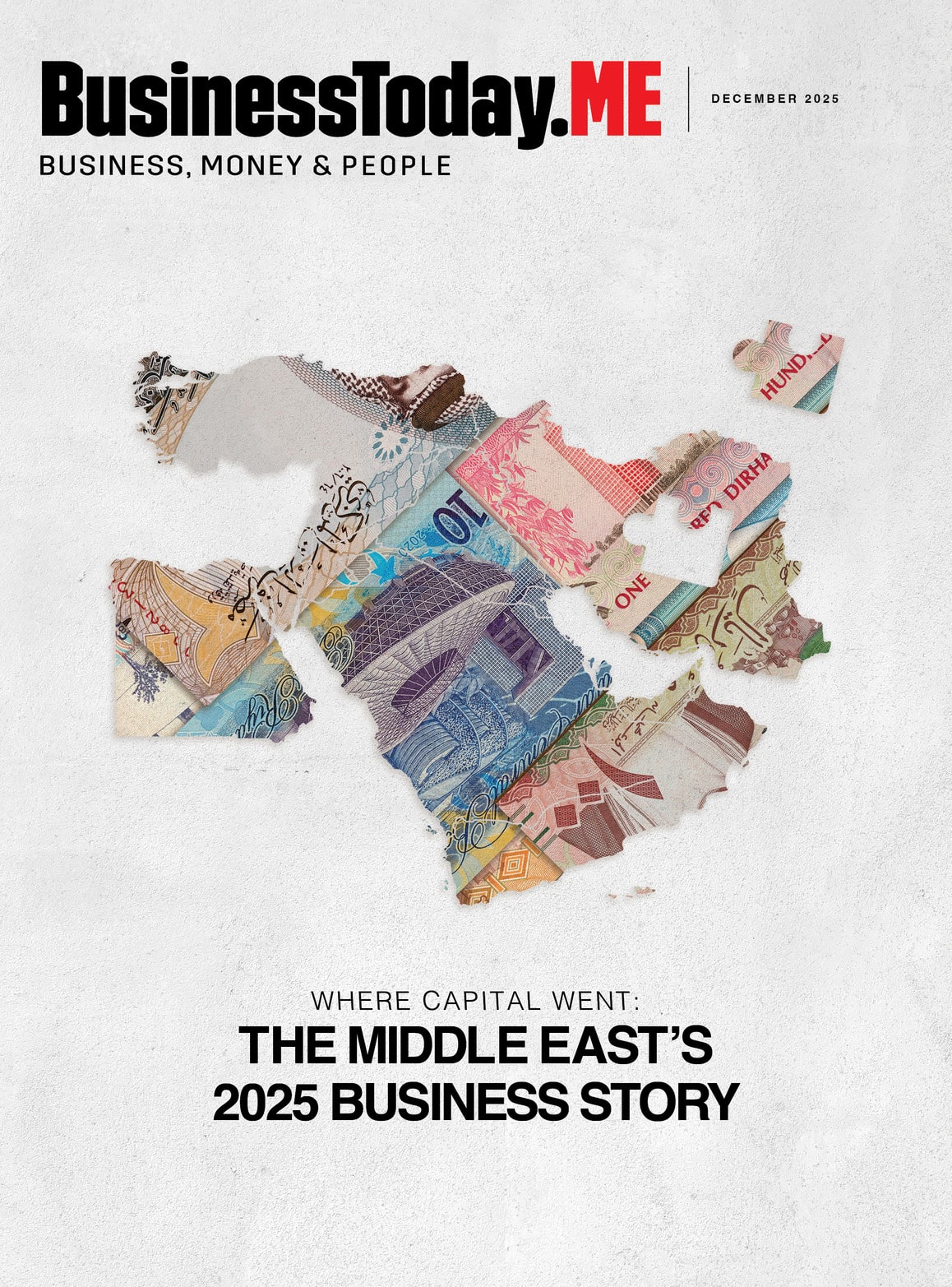
Stability, Scale, and Sovereign Power in a Fragmented Global Economy
At a time when global investors are navigating slower growth, persistent geopolitical risk, and tighter financial conditions, the Gulf Cooperation Council (GCC) has emerged as one of the world’s most compelling investment destinations. Once viewed primarily through the lens of hydrocarbons, the region is now being reassessed as a long-term capital allocation play—offering macroeconomic stability, reform-led growth, and unmatched sovereign backing. In 2025, the GCC is no longer competing for attention; it is commanding it.

A Rare Island of Macroeconomic Stability
One of the GCC’s strongest advantages is its resilience in an unstable global environment. While advanced economies struggle with high debt levels, political fragmentation, and post-inflation normalization, Gulf economies—particularly Saudi Arabia, the UAE, and Qatar—have maintained fiscal discipline and strong balance sheets. Decades of prudent reserve management and conservative banking regulation have allowed governments to absorb external shocks without derailing growth. For global investors, this stability has become a premium asset in itself.
“In a world of volatility, the GCC is offering something increasingly scarce: predictability with upside.”
International financial institutions continue to project stronger medium-term growth for the GCC than for many developed markets, driven by both energy revenues and expanding non-oil sectors. This dual-engine model gives investors downside protection while preserving exposure to growth.
From Vision to Execution: Diversification Becomes Real
For years, diversification strategies across the Gulf were met with skepticism. In 2025, that skepticism has largely faded. Non-oil sectors now account for the majority of growth in key GCC economies, powered by logistics, tourism, financial services, manufacturing, technology, and real estate. Government visions—once aspirational—have evolved into execution frameworks supported by regulation, capital, and infrastructure.
What investors are responding to is not rhetoric, but evidence: rising private-sector participation, growing non-oil exports, and deeper capital markets. The GCC’s economic transformation is no longer theoretical—it is measurable.
Saudi Arabia: Scale, Reform, and Sovereign Firepower
Saudi Arabia’s investment appeal lies in its sheer scale and speed of reform. Vision 2030 has reshaped the Kingdom’s investment landscape, opening sectors that were once inaccessible to foreign capital. Manufacturing, logistics, tourism, mining, and technology are now core pillars of growth.
The Public Investment Fund (PIF) plays a central role, acting as a market maker rather than a passive allocator. Its investments crowd in private capital, anchor new industries, and accelerate ecosystem development. For global investors, co-investment alongside PIF provides both financial opportunity and strategic alignment.
“Saudi Arabia is no longer just opening doors—it is building entire markets.”
United Arab Emirates: The Region’s Capital and Talent Hub
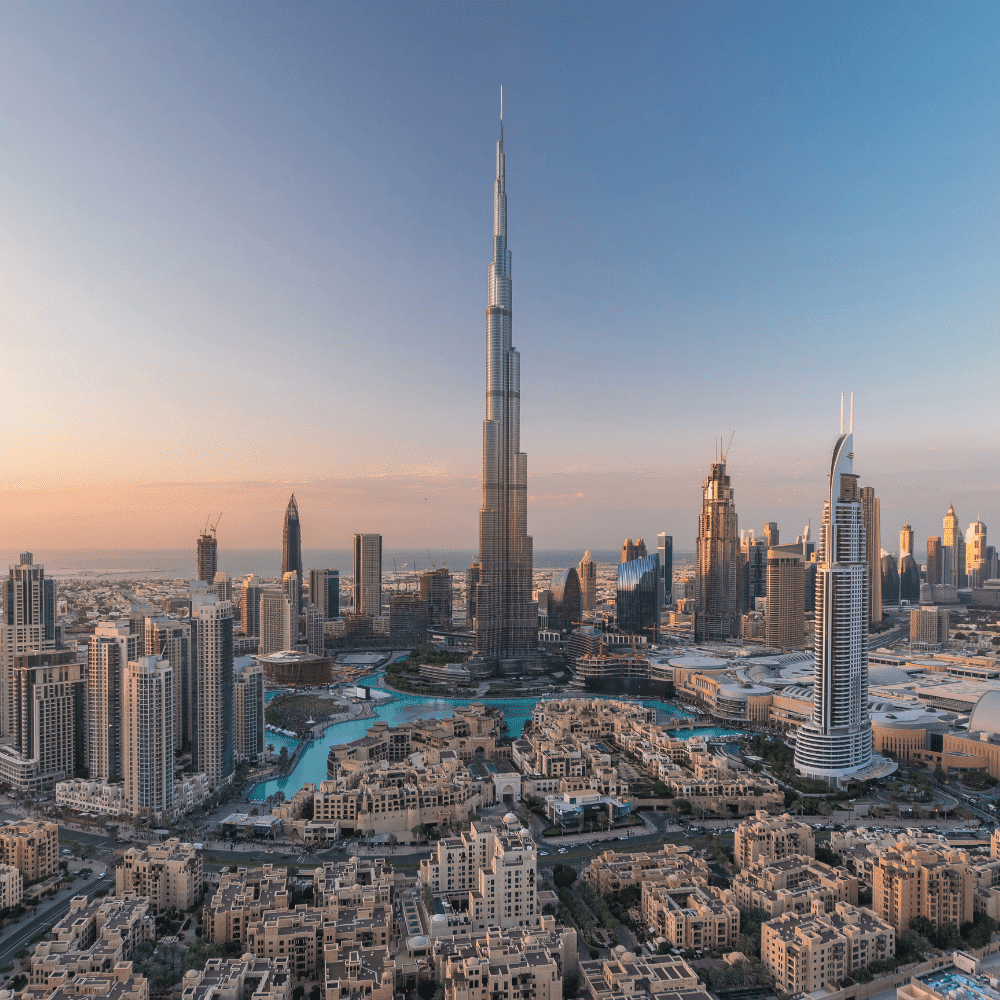
The UAE’s strength lies in its ability to combine regulatory clarity, global connectivity, and lifestyle appeal. Dubai and Abu Dhabi have positioned themselves as international business hubs, offering 100% foreign ownership, fast-track licensing, and transparent legal frameworks. These reforms have significantly reduced friction for global investors.
The UAE’s capital markets have matured, with diversified IPO pipelines and strong institutional participation. At the same time, liberalized visa regimes and long-term residency programs have attracted global talent, reinforcing the country’s role as a regional headquarters for multinational firms.
“The UAE has turned ease of doing business into a competitive advantage.”
Qatar: Precision Capital and Global Influence
Qatar’s investment strategy is defined by focus and discipline. Backed by one of the world’s most powerful sovereign wealth funds, the Qatar Investment Authority (QIA), the country has positioned itself as a long-term, globally integrated investor. Domestically, Qatar continues to invest in infrastructure, energy, and knowledge-based industries aligned with its National Vision 2030.
Events such as the Qatar Economic Forum have elevated the country’s profile as a convening power for global business and policy leaders, reinforcing its role as a bridge between capital, diplomacy, and economic strategy.
Capital Markets That Have Come of Age
Across the GCC, capital markets are deeper, more liquid, and more diversified than ever before. Stock exchanges in Saudi Arabia, the UAE, and Qatar now offer exposure across sectors—from healthcare and logistics to consumer and technology. Inclusion in global indices has brought in long-term institutional capital, while governance and disclosure standards continue to improve.
The result is a healthier investment environment—less dependent on speculative flows, more aligned with fundamentals.
Energy Reframed as a Strategic Advantage
Rather than being penalized for their energy resources, GCC economies are leveraging them strategically. Reliable, low-cost energy has become a competitive edge in a world facing power constraints driven by data centers, AI infrastructure, and electrification. At the same time, the region is investing heavily in renewables, hydrogen, and carbon capture.
For investors, this pragmatic approach offers balance: cash-generative assets today, and transition-driven opportunities tomorrow.
“The Gulf is not betting against the energy transition—it is positioning itself to power it.”
Why Global Capital Is Reallocating to the GCC
The influx of global investment into the GCC is not a short-term trade. It reflects a structural reassessment of risk and opportunity. The region offers something increasingly rare: governments that understand capital, markets that are scaling, and strategies that are backed by execution.
For institutional investors, family offices, and multinational corporations alike, the GCC is no longer an emerging market outlier—it is becoming a core allocation.