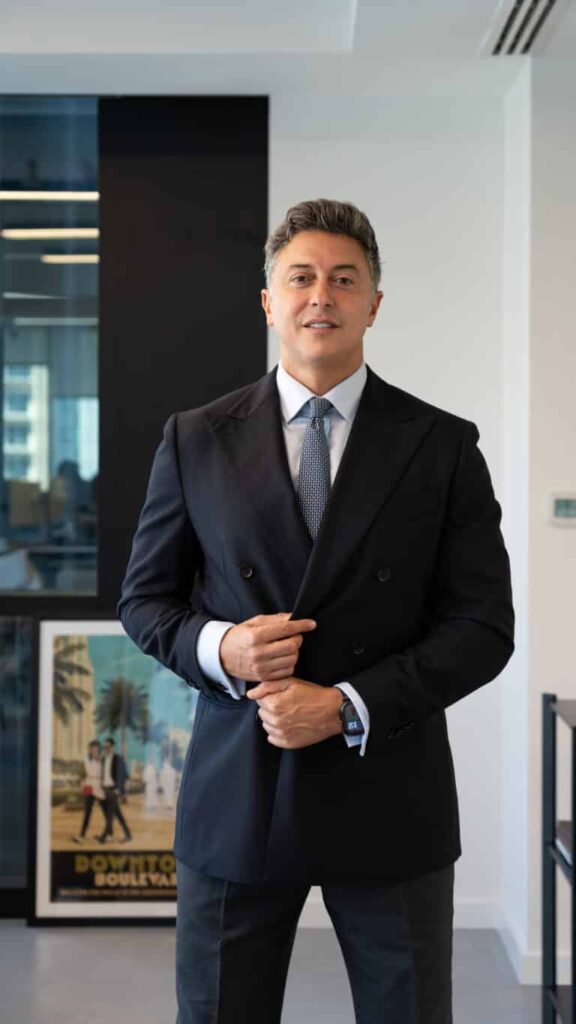
Riad Gohar, Co-Founder & CEO of Black Oak Real Estate, explains how Dubai’s fractional ownership model evolved into tokenised real estate
One of the most instructive moments in my career did not come from a record-breaking transaction or a headline-grabbing launch. It came from a constraint.
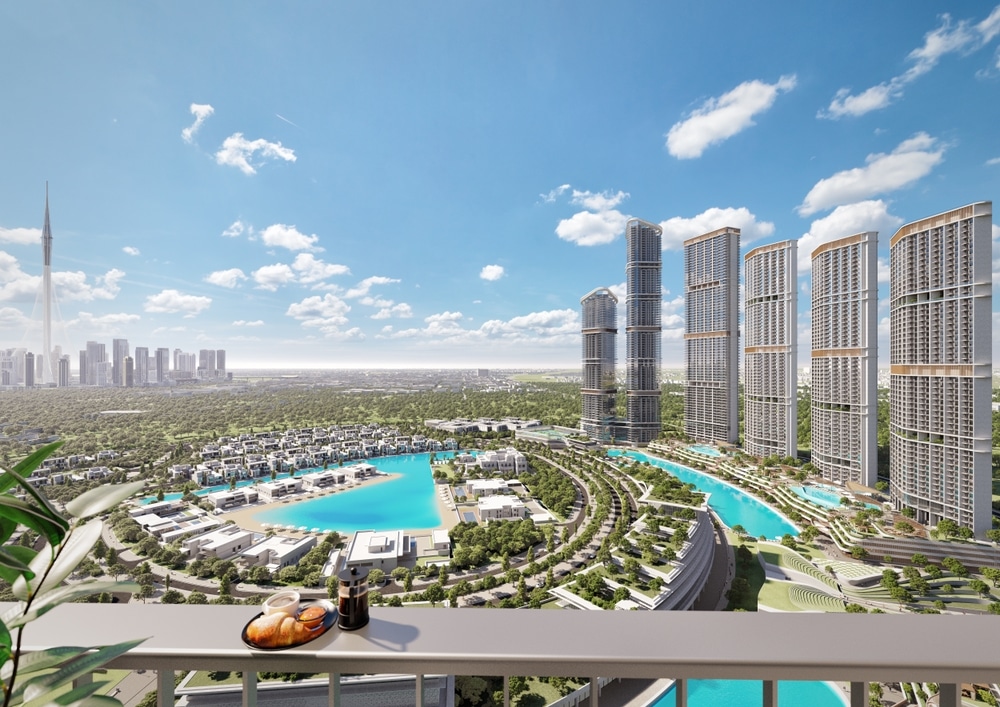
During my time as Commercial Director at SLS Dubai, the residential component sold out quickly. What remained were the serviced hotel apartments. These were large, fully furnished, fully serviced assets priced at a level that effectively removed them from reach for a significant segment of otherwise serious investors. The issue was not demand, but the concentration of capital required to acquire a single unit. That is where the idea began.
That challenge forced a rethink of how premium real estate could be structured and sold in Dubai. We needed a solution that made these assets more accessible without slowing sales.
The reality was simple. Large unit sizes combined with serviced-apartment costs resulted in very high prices. In many cases, expecting a single buyer to acquire the entire asset was unrealistic. So we changed the model.
Working closely with the Dubai Land Department, we introduced a fractional ownership structure for serviced hotel apartments. Each property was divided into 4 fractions, each with its own independent, legally recognised title deed. Investors could purchase one fraction or multiple fractions, and a guaranteed income model strengthened the investment case.
This created a new category of investment: a premium asset available at a fraction of the price, with full legal ownership attached.
Fractional ownership already existed in markets such as the United States and parts of Europe, but Dubai embedded the model within a clear regulatory framework. That experience marked a turning point in how developers approached high-value serviced units. Even then, it was clear this was only the first chapter of something larger.
Fractional ownership broke the “one property, one buyer” mentality. In 2025, Dubai has taken that same concept and multiplied it tenfold.
Tokenisation is fractional ownership in digital form. Instead of dividing a property into 4 title deeds, it can be divided into 4000 digital tokens, each representing a share of ownership and recorded on a blockchain.
The impact is scale. Where fractional ownership might reduce entry points to AED 1-2 million, tokenisation can reduce them to a few thousand. A property valued at AED 5 million becomes accessible with AED 5000. Ownership, income, and potential returns are allocated proportionally.
What Dubai is experiencing today is not a sudden disruption. It is the natural evolution of a model that was already tested, regulated, and accepted years ago.
This year marked a clear turning point. The Dubai Land Department launched a Property Token Ownership Certificate, giving tokenised property formal legal standing. A regulatory sandbox was also introduced, allowing developers to issue tokenised real-estate assets within a controlled environment.
Developers have already begun executing tokenised transactions. MAG tokenised part of its luxury portfolio, with one apartment selling out in under 2 minutes and attracting investors from dozens of countries. DAMAC has announced a $1 billion tokenisation initiative, and several other developers are preparing similar offerings. Based on public announcements, 4-5 major developers are expected to launch blockchain-based projects between 2025 and 2026.
For investors, the appeal is clear. Tokenisation lowers barriers to entry and provides access to premium real estate that was previously out of reach. Investors own a small share of an income-generating asset and receive returns proportionally.
At the same time, tokenisation requires understanding. Investors need clarity on legal structure, asset management, exits, fees, and secondary markets. Dubai’s regulatory framework is advanced, but education remains essential.
When fractional ownership was first introduced at SLS Dubai, it was not about predicting the future. It was about solving a real market problem by breaking a large, illiquid asset into smaller, more accessible parts.
Tokenisation applies the same logic, powered by technology and global investor demand. Fractional ownership was the beginning. Tokenisation is the acceleration.
For decades, premium real estate was accessible to a limited segment of the market. Fractional ownership opened the first door. Tokenisation opens it much wider.
It is fitting that Dubai, the city where fractional deeds helped reshape ownership models, is now leading the global shift toward tokenised real estate.